
Neuropathy Therapy in Buffalo NY

Do you have peripheral neuropathy or Radiculopathy?
This is a disorder of the peripheral nerves—the motor, sensory, and autonomic nerves that connect the spinal cord to muscles, skin, and internal organs throughout the body. It usually affects the hands and feet, causing weakness, numbness, tingling, and pain when nerve damage disrupts sensation.
The course of peripheral neuropathy is variable; it can come and go, slowly progressing over many years, or it can become severe and debilitating as nerve damage increases. However, with the right treatment, peripheral neuropathy can often be controlled or even reversed in some cases.
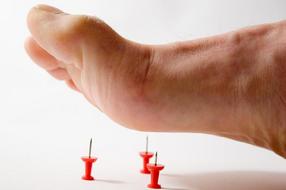 Peripheral neuropathy is common, and many patients do not realize how many different conditions can cause it. It is estimated that upwards of 20 million Americans suffer from this illness. It can occur at any age, but it is more common among older adults and people with chronic disease. A 1999 survey found that 89% of Medicare recipients have peripheral neuropathy as their primary or secondary diagnosis. The annual cost to Medicare exceeds $3.5 billion.
Peripheral neuropathy has always been present but has not received much attention until recently, despite its effects on daily function. The extent of this disease and its impact on the body have not yet been adequately recognized. It is often misdiagnosed or thought to be merely a side effect of another disease like diabetes, cancer, or kidney failure, even though each can cause nerve damage.
Many types of common painkillers are not effective against pain caused by neuropathy, and many traditional treatments don’t provide adequate results for neuropathic pain.
But thanks to today’s advanced treatment options available at WNY Pain Relief & Integrative Wellness Center, neuropathy sufferers can experience real pain relief, improved sensation, and a better quality of life.
Often neuropathy sufferers see several doctors, try multiple therapies and Medicine options, yet continue to experience debilitating symptoms.At WNY Pain Relief & Integrative Wellness Center in Buffalo, NY, we offer state of the art treatments combined with quality care for patients with radiculopathy.
Our goal is to help our patients achieve the symptomatic relief they deserve, reduce pain, and live fuller, more active lives. Our Neurology-informed approach focuses on how the spinal cord communicates with the Brain and how signals travel through peripheral nerves to the rest of the body.
Common Causes of Peripheral Neuropathy
- History of Back or Neck Problems (Herniated Discs, Spinal Stenosis…)
- Diabetic Neuropathy, Sugar Imbalance, History of Sugar Imbalance, Pre-Diabetes, Diabetes
- Certain Medications (Cholesterol lowering medications, Chemotherapy)
- Familial, Genetic, Autoimmune
- Idiopathic Neuropathy (Unknown as to why it is occurring)
Symptoms of Peripheral Neuropathy

- Numbness in feet
- Electrical, crawling pain
- Restless legs
- Stiffness in the hands or feet
- Pins and needles sensations
- Fatigue in the legs
- Tingling or burning in feet
- Balance problems
- Cold feeling in hands or feet
- Shooting pains in the arms or legs
Neuropathy Treatment in Buffalo, NY
At WNY Pain Relief & Integrative Wellness Center in Buffalo, NY, neuropathy treatment often starts with a clear clinical evaluation so we can identify which peripheral nerves are most affected, what type of peripheral neuropathy you may have, and what may be the underlying cause. Depending on your diagnosis, a provider may recommend a combination of care options such as Medicine when appropriate, physical therapy, and specialized therapy to help treat symptoms and improve function in the body. Many patients also benefit from non-invasive therapy designed to support the nervous system from the spinal cord and Spine to the Brain, improve blood flow, and help reduce neuropathic pain.
Our goal is to help people reduce pain, restore sensation, improve balance and muscle control, and address the underlying cause of nerve damage and damage to peripheral nerves. Treatment and management may also include vitamin support when indicated, nutritional guidance, and education to help prevent further nerve damage, reduce risk, and improve long-term Health and Wellness. When Medicine is appropriate, we focus on careful selection and coordination with your primary care team to reduce side effects and support long-term management.
Can Back or Neck Problems Cause Peripheral Neuropathy?
Compression is a common reason why peripheral neuropathy can become worse, and it can cause peripheral neuropathy when it limits blood flow or irritates peripheral nerves. When peripheral nerves are irritated or compressed near the spinal canal, around the spine, or along the legs, the resulting injury can affect blood flow, damage nerves, and increase neuropathy pain. This type of problem can be associated with herniated discs, spinal stenosis, and other disorders, and it may overlap with polyneuropathy where many nerves are affected at once.
Ongoing compression can contribute to sensory changes in the foot and feet, increase the risk of severe pain, and lead to weakness or loss of sensation over time as nerve damage accumulates. Clinical tests and imaging may help diagnose the source of compression, and other tests such as nerve conduction tests can show how much nerve damage has occurred and whether sensory, motor, or autonomic nerve fibers are involved.
Why the Right Diagnosis and Plan Matters
Clear documentation, evidence-based screening, and follow-up are important because some patients have more than one neuropathy syndrome at the same time. Because peripheral neuropathy has many causes and the body can respond differently, the right diagnosis is important for patients and helps clarify risk. A plan built around your diagnosis can help treat the drivers of peripheral neuropathy—metabolic issues, mechanical irritation, nutritional deficits, or medication-related effects—instead of only masking symptoms.
In many cases, patients with diabetic neuropathy or diabetic peripheral neuropathy need a program that supports diabetes management, protects nerves, supports blood glucose and blood sugar control, and helps reduce inflammation to lower the risk of further nerve damage. A doctor may also screen for autonomic neuropathy and autonomic dysfunction when signs include blood pressure changes, digestion problems, or sweating changes—issues linked to the autonomic nervous system, the brain's role in regulating organ function, and how the body responds to stress.
Regular re-checks, clinical milestones, and repeat tests can help track whether symptoms are improving, whether fewer areas are affected, whether patients develop new problems, and whether the plan is helping prevent complications. Tracking symptoms over time matters because peripheral neuropathy can progress, create complications, and increase the risk of falls, skin breakdown, and persistent neuropathic pain.
Living with Diabetic Neuropathy: Foot Care and Prevention
For people diabetes is one of the most common conditions that cause peripheral neuropathy, and diabetic neuropathy is one of the most common complications of diabetes. One of the best management steps is daily control of glucose—stable blood glucose and blood sugar levels can help control diabetes progression, reduce risk, and, in some cases, help symptoms improve by limiting nerve damage.
Lifestyle changes that support diabetes management—consistent movement, balanced meals, better sleep, and limiting alcohol—can reduce risk and support the nervous system from the brain to the peripheral nerves across the body. Foot and foot care are essential: check the foot daily for skin changes, sores, blisters, or cuts, because reduced sensation may delay noticing an injury, especially in diabetic neuropathy.
Early care can help prevent ulcers, infections, and other complications, which is especially important in painful diabetic neuropathy cases. Your care team may also discuss vitamin status, safe exercise for the legs, and practical ways to prevent falls if balance is affected, since many patients do not feel early changes. If you feel new weakness, worsening numbness, or skin changes, contact your doctor promptly; early action can reduce risk and help prevent severe complications.
Our team at WNY Pain Relief & Integrative Wellness Center is experienced at helping people and patients with neuropathy conditions, including peripheral neuropathy and diabetic neuropathy. We have an innovative and systematic approach to treating peripheral neuropathy and diabetic neuropathy, supporting the Brain–spinal cord–peripheral nerves connection to help patients get back to happy living.
If you have already tried other medical therapies such as medications, Medicine approaches, and physical therapy, there is a very good chance our system is a good fit for you. Our techniques address neurological, metabolic, and nutritional challenges so patients can reduce chronic symptoms, improve function, and protect nerves throughout the body. We look forward to hearing from you and helping you improve your health and get your body back on track.
To learn more, attend one of our Free Seminars hosted by our Center and designed to share evidence from clinical studies and Foundation resources. These sessions are free and held in Buffalo, and they cover neuropathy therapy basics, common causes, and what current evidence and clinical studies suggest for people with diabetes and other patients managing peripheral neuropathy.

Take the first step toward relief. Call Today (716) 650-PAIN (7246) for more information or to schedule an appointment.